

Every cat parent knows that one of the less glamorous parts of owning a cat is managing the litter box smell. Whether it’s a lingering odor or a sudden unpleasant whiff, dealing with litter box smells doesn’t have to be a daily struggle. So, how to keep the litter box from smelling? With the right tips and tricks, you can minimize the odors and keep your home smelling fresh.
7 ways to get rid of cat litter box smell
If you're not sure how to make your litter box not smell, it starts with good habits and smart choices. Here are some tried-and-true methods to keep your litter box from smelling:
1. Scoop daily
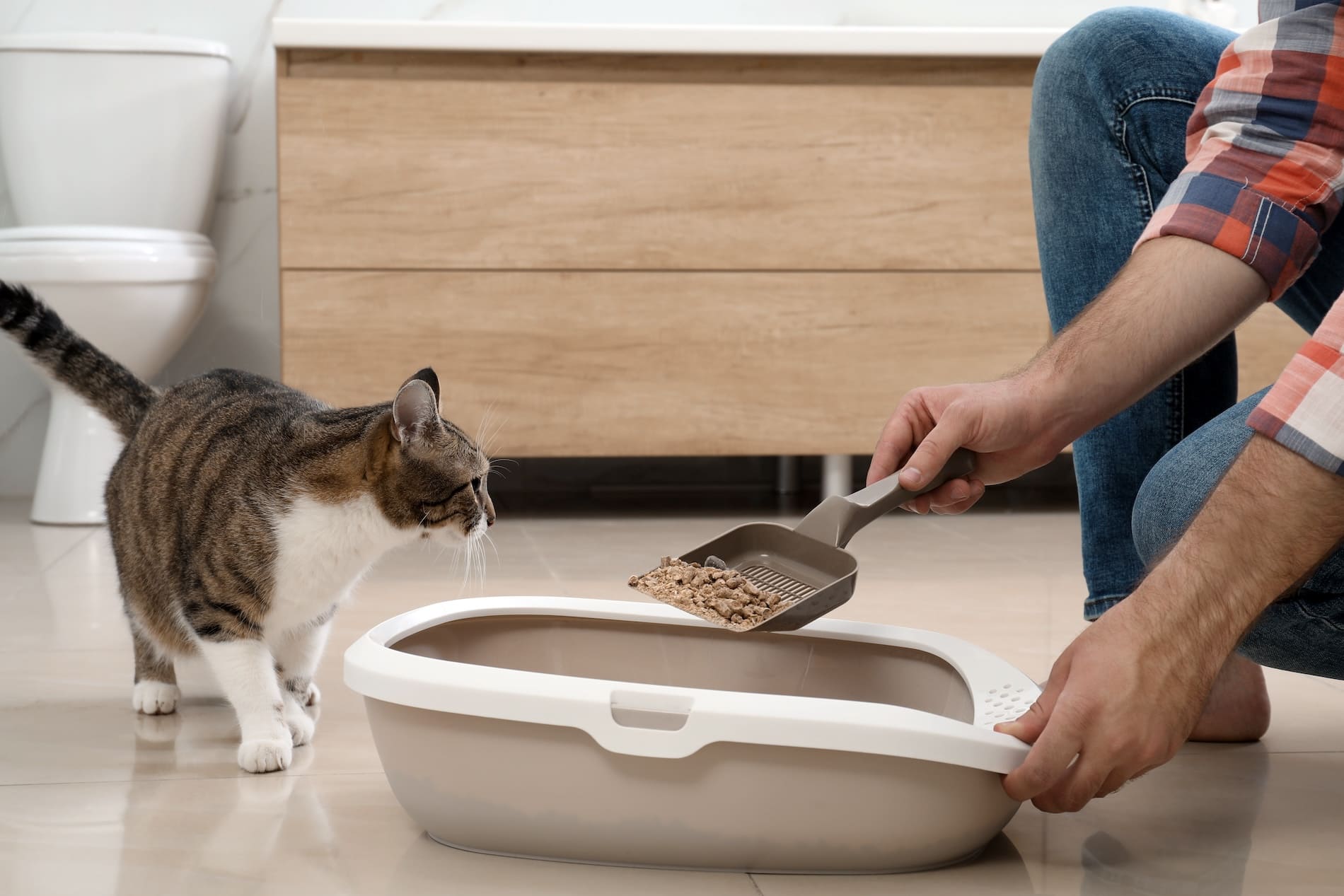
Regularly scooping your cat's litter box is the most effective way to keep your litter box from smelling. Scooping at least once a day removes waste before it has the chance to release stronger smells.
If you're using a clumping litter, make sure to remove both urine clumps and solid waste. If you have multiple cats, consider scooping even more often.
2. Change the litter regularly
Even with daily scooping, it’s important to fully change the litter every 2-4 weeks, depending on the type of litter you’re using. Some litters need changing more frequently, while others can last longer. Clean litter means less chance for smells to build up over time.
3. Use a litter box deodorizer or pet odor eliminator
Litter box deodorizers can help reduce unwanted odors between litter changes. These typically include ingredients like:
- Activated carbon
- Zeolite
- Essentials oils (note that some essentials oils are toxic for cats)
- Enzymes
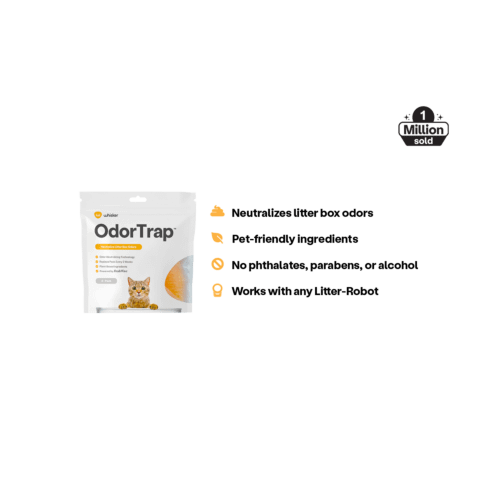
For even better odor control, you can also try a pet odor eliminator like OdorTrap, which is designed to eliminate litter box smells using natural chemistry. It’s also pet-friendly!
Can you put baking soda in cat litter?
A popular litter deodorizer is baking soda, which is a natural and safe way to help absorb odors. Sprinkle a small amount of baking soda in the litter box after each scooping.
4. Try a self-cleaning litter box
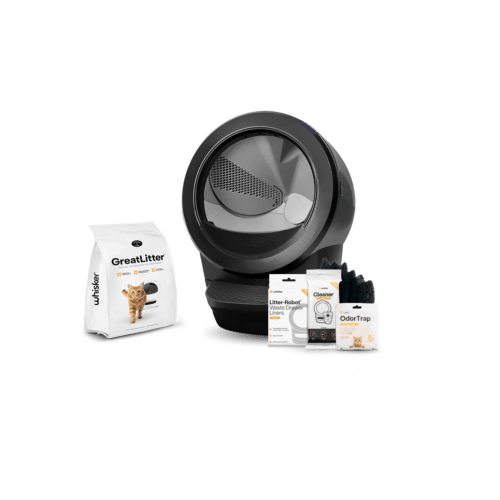
Self-cleaning litter boxes like Litter-Robot automatically scoop waste after each use, drastically reducing the time waste spends sitting in the litter box, and also lessening the amount of odor. This automatic cleaning feature is a game-changer for controlling litter box smells and making daily scooping less of a concern. Ultimately, you will find that they are truly the best litter box for odor control, given that they clean themselves and lock away your cat's waste.
5. Deep clean the litter box regularly
Even if you're scooping and changing the litter regularly, your litter box still needs a good scrub at least once a month. A deep clean helps remove any lingering bacteria that can contribute to odor buildup. Refer to the tips in this litter box cleaning guide to make sure you're cleaning properly.
6. Choose a fast-clumping cat litter
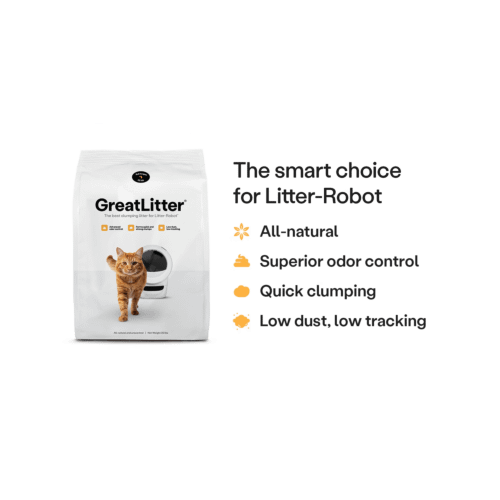
Opt for high-quality clay-clumping or walnut-based clumping litters that trap smells better than regular clay options. Look for “fast-clumping” on product packaging.
Avoid scented cat litter. Although added scents might sound like a good idea to get rid of unwanted odors, cats typically aren’t fans of artificial fragrances, which may result in litter box avoidance. Use an unscented, natural cat litter with fast-clumping capabilities such as GreatLitter instead.
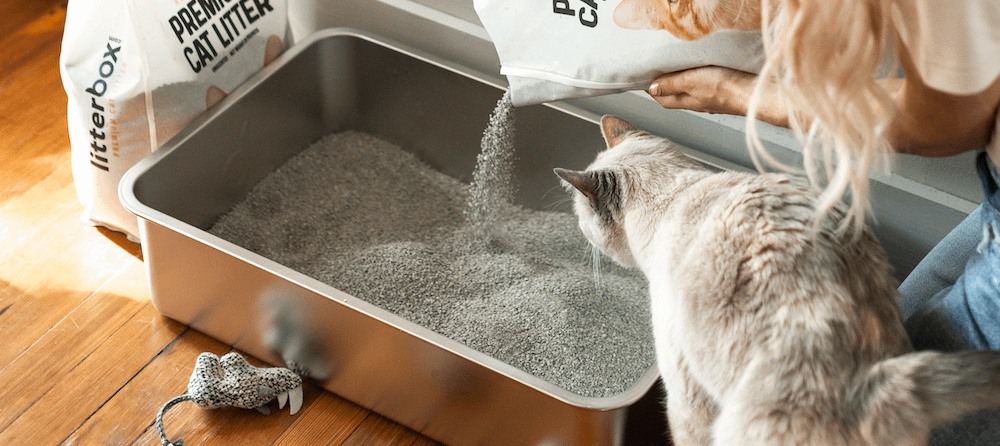
7. Upgrade to a stainless steel litter box
Over time, plastic litter boxes may start absorbing urine in the material, especially if the box isn’t cleaned frequently.
Switching to a stainless steel or automatic litter box can significantly reduce odor retention in comparison.
When cat poop smells especially bad
If your cat’s poop smells especially foul, it might be caused by an underlying issue. Strong-smelling poop can result from:
- Dietary issues: Cats with high-protein diets or who eat too many rich foods may produce more odorous poop. Switching to a diet with better-quality ingredients may help.
- Health issues: If the smell is persistently strong or unusual, it could be a sign of a health problem, such as digestive issues or infections. Talk to your vet if you’re noticing frequent, especially bad-smelling poop.
Of course, cat poop isn’t meant to smell like roses—but if you’re concerned your cat’s poop smells really bad and are looking for a remedy, consult your veterinarian. They will be able to analyze and test for the root cause of the issue.
Best litter boxes for odor control
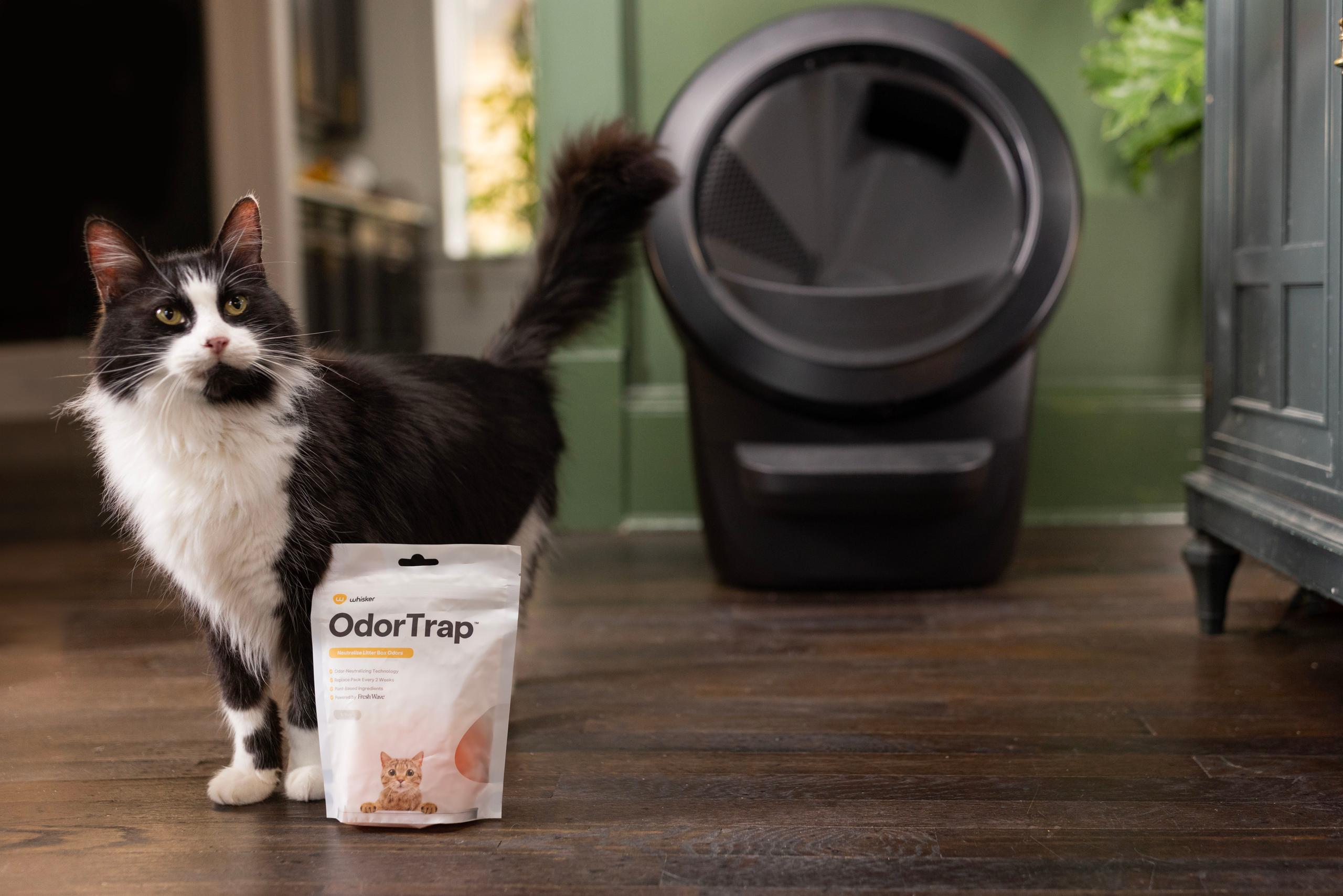
Choosing the right litter box plays a huge role in controlling odors in your home. Some litter boxes are specifically designed to minimize smells, making your life (and your cat’s) much more pleasant. Here are some features to look for in the best litter boxes for odor control:
- Enclosed litter boxes: Litter boxes with a hood or cover help trap odors inside, preventing them from spreading through your home. This is especially helpful if you have limited space or need to keep the litter box in a shared area. Look for boxes that offer enough ventilation while keeping odors contained.
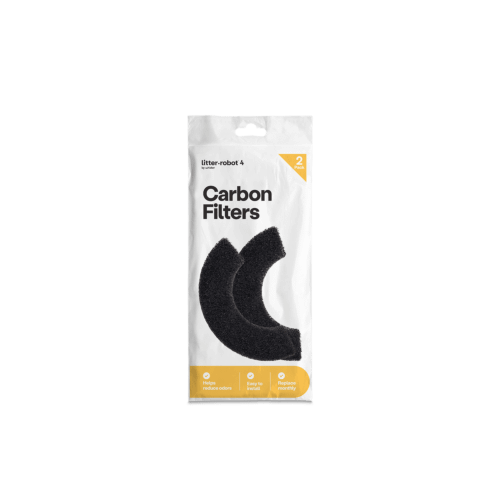
- Carbon filters: Many litter boxes, especially enclosed ones, come with replaceable carbon filters that help absorb and neutralize odors before they escape into your living space. These filters act like air purifiers for the litter box, cutting down on bad smells.
- Self-cleaning litter boxes: A game-changer for odor control, self-cleaning litter boxes like Litter-Robot automatically sift out waste after each use. Because waste is quickly dropped into a sealed compartment, odors are kept in check.
- Litter box liners and sealed waste drawers: Self-cleaning litter boxes often feature liners or sealed waste drawers that help trap odors before they can escape. These liners can be changed regularly to keep the litter box fresh, lessening the need for daily scooping and odor control maintenance.
How to get rid of cat smell in your house
Beyond the litter box, cat smells can sometimes linger in your house. Here are a few tips to help keep your home smelling fresh:
- Ventilate your space: Proper airflow helps to prevent odors from lingering. Open windows and use fans to keep the air moving.
- Regularly wash bedding and fabrics: Cats often transfer odors to their bedding and other surfaces. Regularly wash any fabrics your cat spends time on to minimize smells.
- Spot-clean accidents: If your cat has accidents outside the litter box, clean them up as soon as possible with an enzymatic cleaner. These cleaners break down the compounds in urine that cause long-lasting odors.
Getting rid of litter box smells is easier than you might think with the right approach. By staying on top of regular cleaning, using odor-neutralizing products, and considering a self-cleaning litter box like Litter-Robot, you can keep odors under control and maintain a fresh-smelling home.
Remember, consistency is key! Scoop daily, change the litter regularly, and deep clean as needed. With the right tools and habits, you and your cat can enjoy a clean, fresh-smelling space.